Cauvery House Vice Captain
Operated within a structured school leadership system, managing discipline, participation, and large-scale coordination while stepping into primary leadership responsibilities when required.
Context
Cauvery House is one of the primary student groups within the school’s house system, responsible for participation across academics, sports, and cultural events. As Vice Captain, I operated within a structured hierarchy involving house wardens, faculty, and a large student base.
Role & Responsibility
My role involved day-to-day management of house operations — from maintaining discipline to driving participation and preparing students for competitions.
- —Managed prefects and house council members for daily coordination
- —Handled discipline and student conduct as part of regular school responsibilities
- —Organised and supervised participation in inter-house events and competitions
- —Trained and prepared students for events, ensuring performance readiness
- —Coordinated between students, teachers, and house wardens for smooth execution
Challenges
Driving participation at scale was one of the most demanding aspects. This often meant going class-to-class, encouraging students to step forward, and ensuring consistent involvement across activities.
While the role was structurally second in command, the House Captain’s academic commitments meant that I often took on primary operational responsibility for most of the year.
"This role required leading within a hierarchy — not by title, but by taking ownership when responsibility demanded it."
Defining Moment — Sports Day
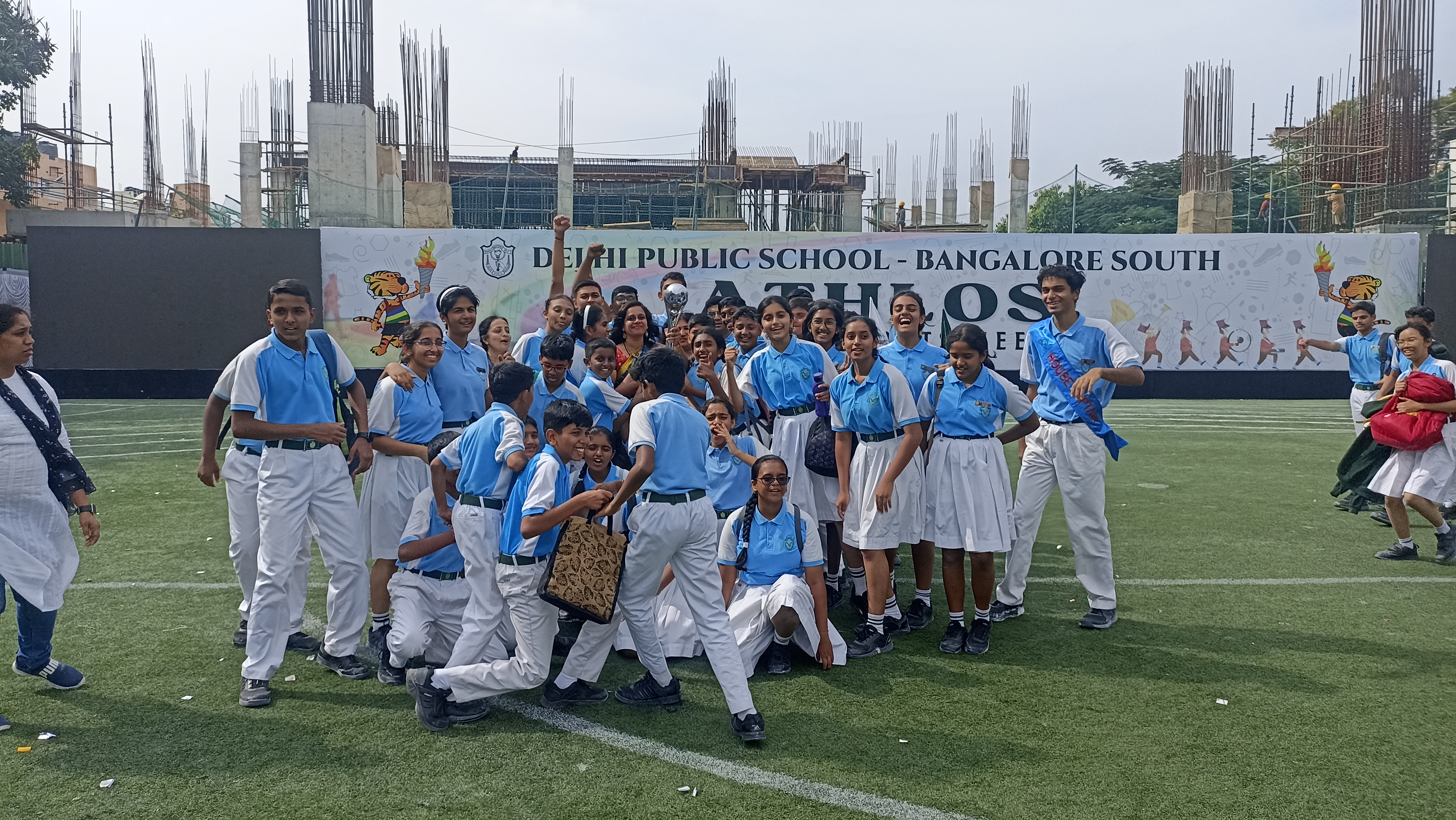
For the annual sports meet, I took on the responsibility of training both junior and senior marching contingents — nearly 100 students — for the march past.
From scale → to structure → to execution.
Training nearly 100 students required building discipline, consistency, and coordination at scale — not just teaching movement, but creating collective timing and control.
- —Trained ~100 students across junior and senior contingents
- —Built synchronized marching from scratch without relying on assigned PT instructors
- —Maintained discipline while keeping students motivated and engaged
- —Balanced authority with approachability to sustain performance consistency
Outcome & Recognition

Leadership in Execution
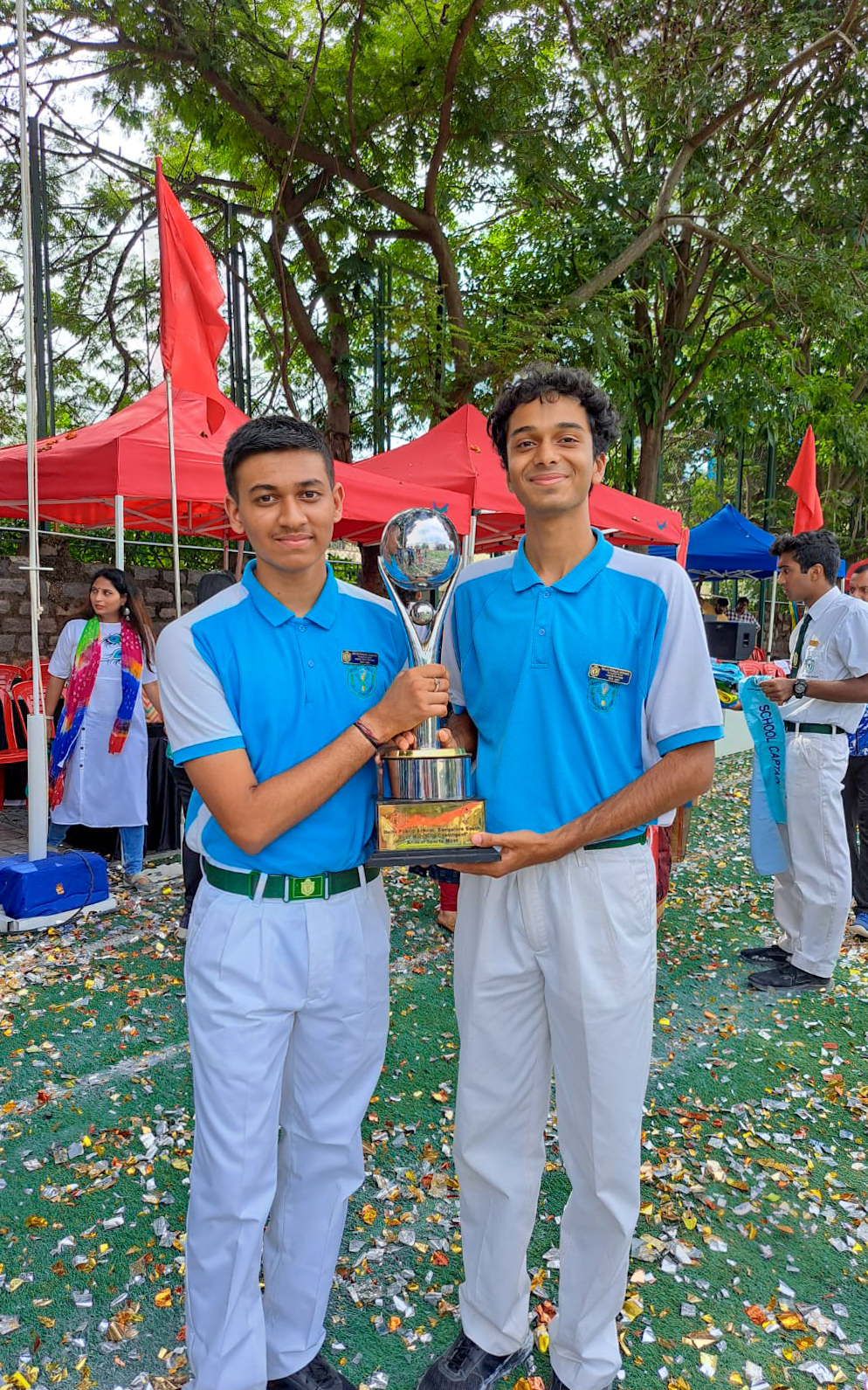
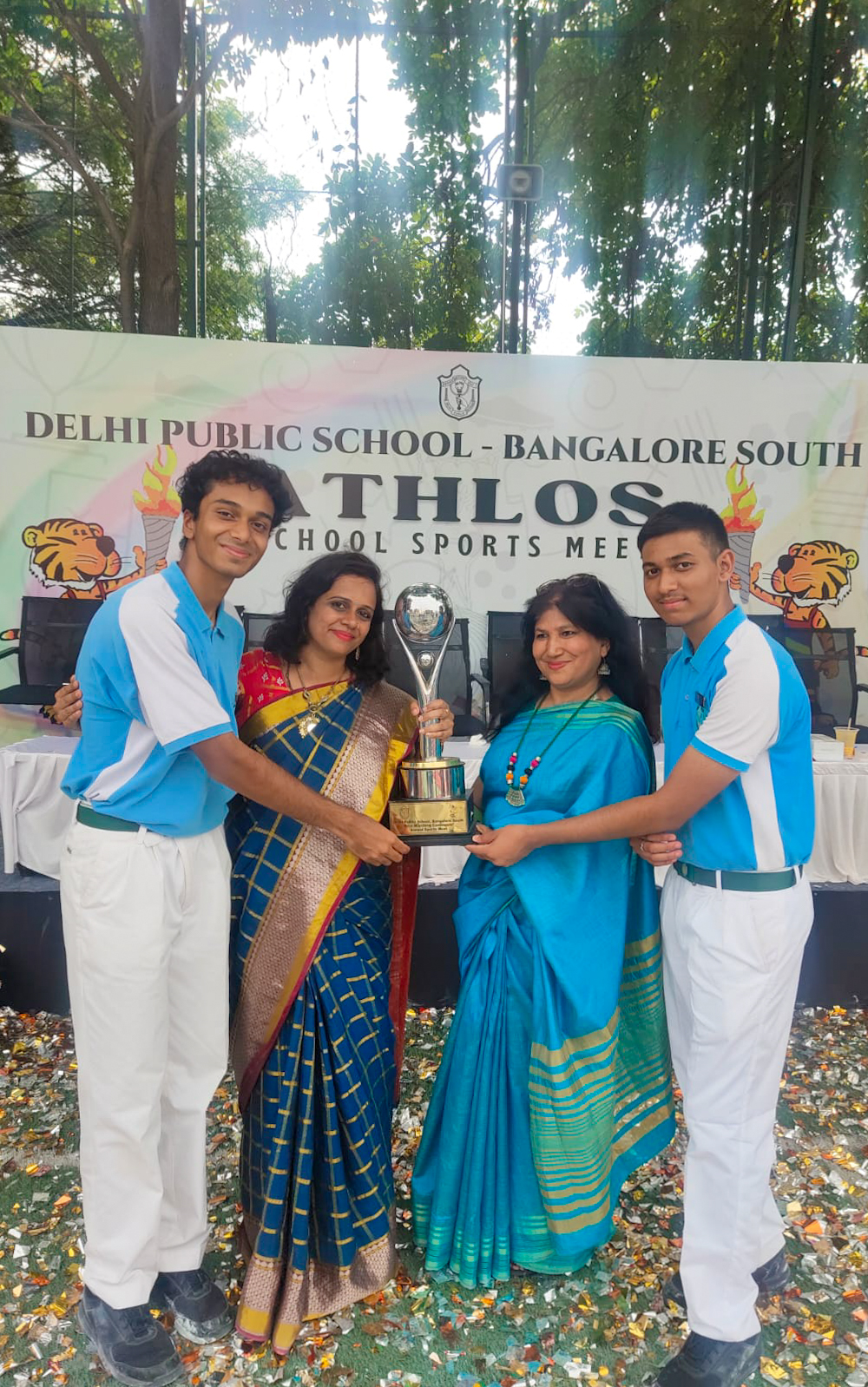
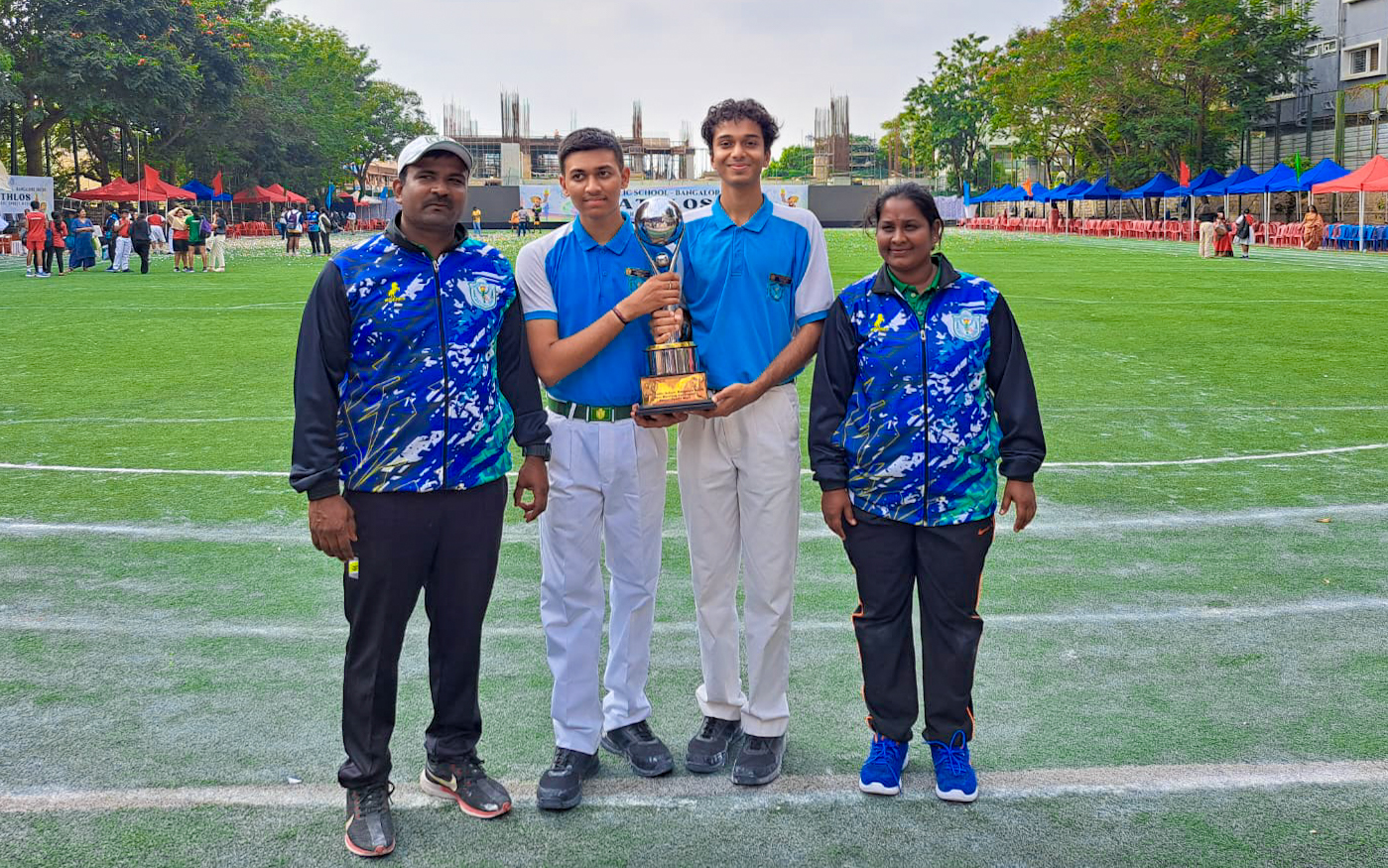
The outcome reflected the effort — the junior contingent secured second place, and the senior contingent achieved first place, earning the Best Marching Contingent trophy.
"What mattered more than the result was proving that structured discipline, built within the team, can outperform even externally guided systems."
"Execution at this scale required consistency every day — not just during the final performance."
During this time, I also navigated a personal loss in my family. Despite that, I chose to show up for the team and complete what I had committed to — reinforcing a sense of responsibility that extended beyond the role itself.
Impact
The house operated as a coordinated unit with strong participation and discipline across events. Students were not only involved but trained to perform with consistency and structure.
What Changed From Previous Leadership
Unlike previous roles focused on building initiatives, this role required functioning within an established system — managing scale, hierarchy, and operational complexity.
It introduced a different kind of leadership — one centered on execution within constraints, accountability to multiple stakeholders, and consistency in daily operations.
Reflection
This experience gave me a clear understanding of how structured systems operate — both on paper and in practice. Leadership here was less about initiating ideas and more about ensuring that systems run effectively at scale.
It also reinforced that responsibility is not defined by title. In many situations, stepping up and delivering consistently mattered more than formal hierarchy.
"I learned that real leadership in structured systems comes from execution, consistency, and the willingness to take ownership when needed."