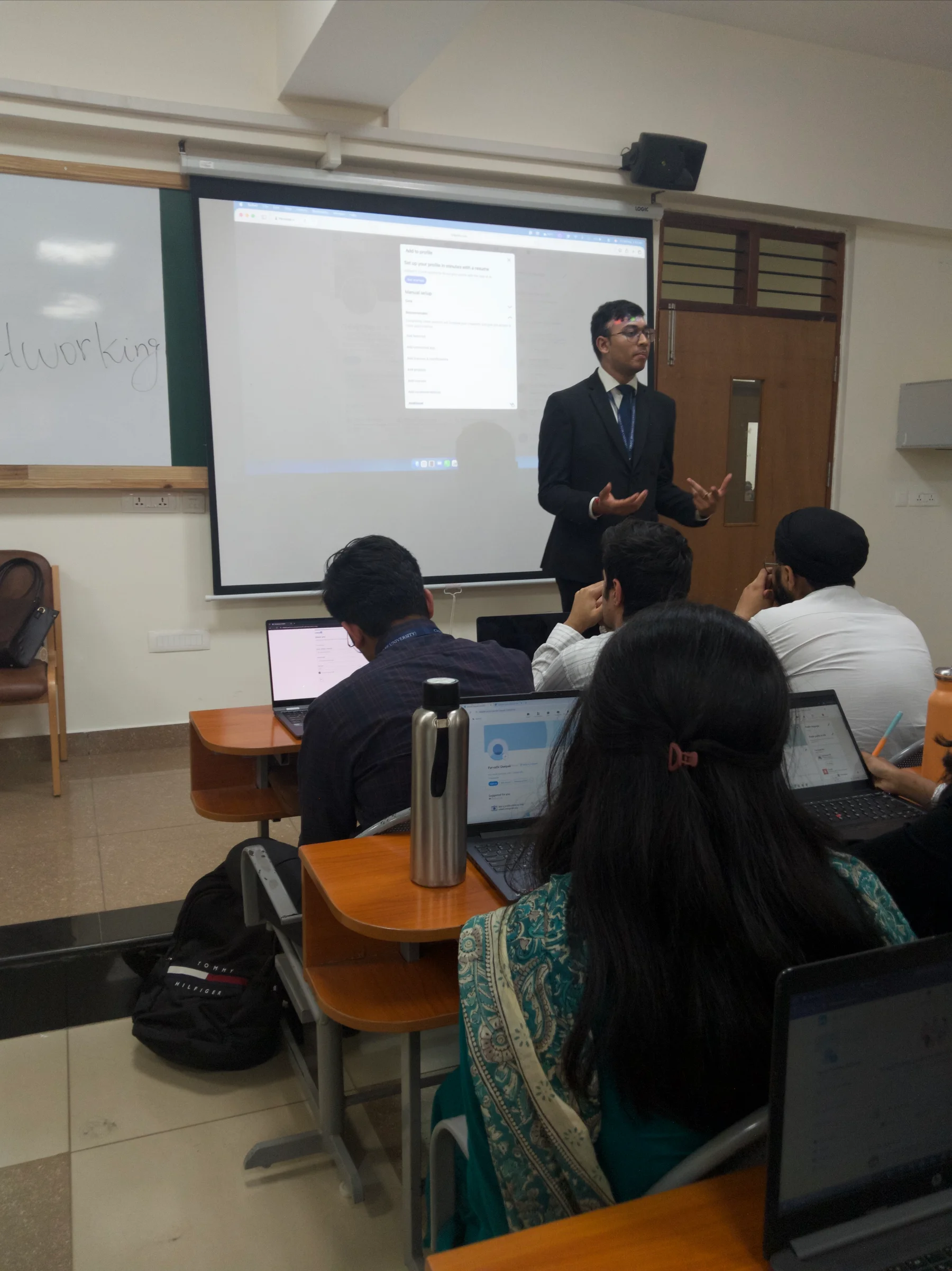
Centre for Academic and Professional Support — Group Peer Trainer Associate
Facilitating interactive peer-learning and professional development sessions at CAPS BYC, training university students on Group Discussions and LinkedIn Optimization, and authoring new curriculum including AI Automation Using Claude.
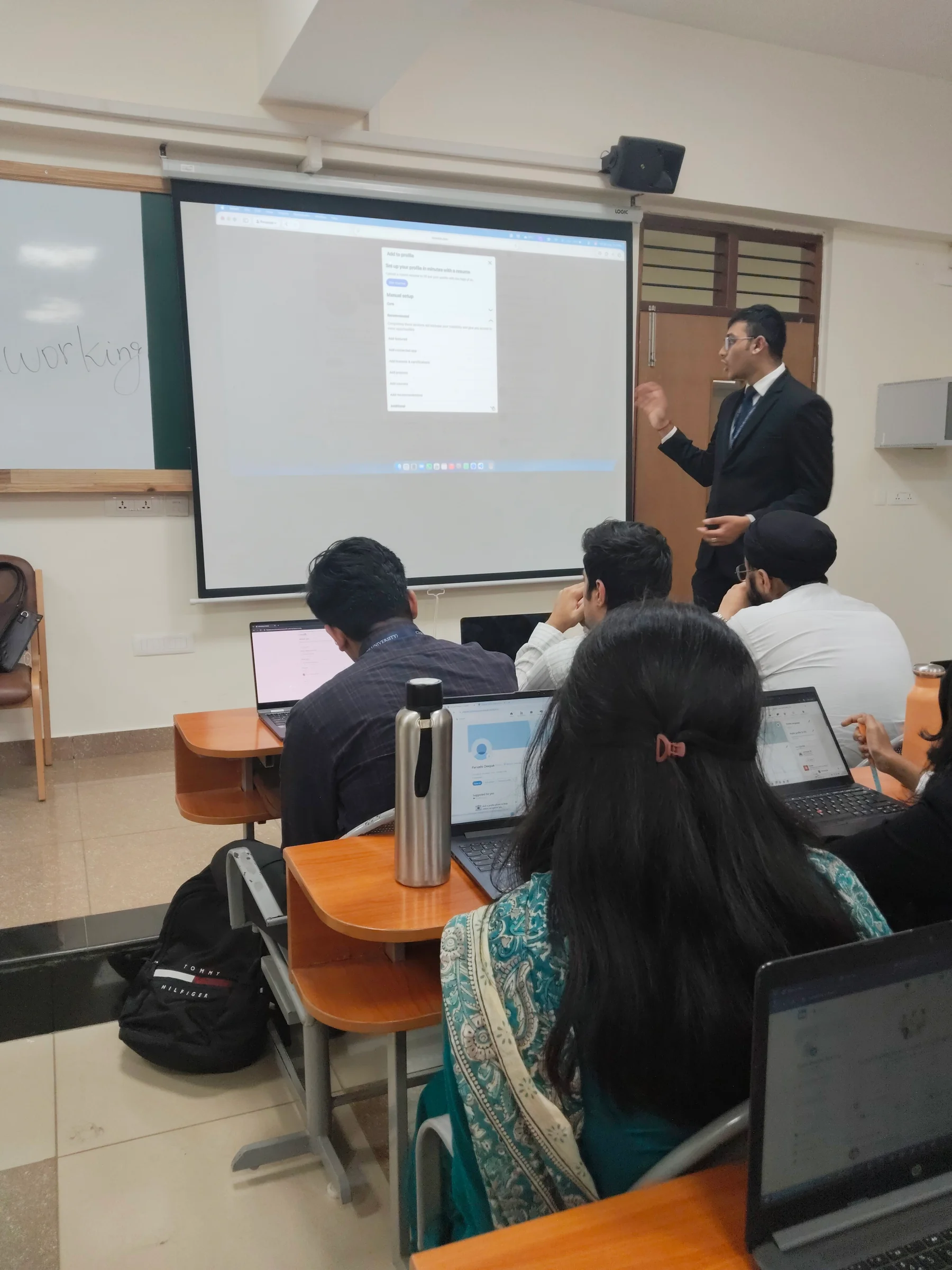
My background as the founding Student Mentor at the Atal Tinkering Lab showed me the immense power of peer-led education. Arriving at university, I knew I did not want to leave teaching behind. Joining the Centre for Academic and Professional Support (CAPS) as a Group Peer Trainer (GPT) was an intentional commitment to continue developing students while scaling my facilitation to an undergraduate level.
“Mentoring university peers is fundamentally different from teaching high schoolers — it demands shifting from instruction to facilitation, commanding the room with industry relevance, and delivering immediate career value.”
Context & Pedagogical Approach
In the ATL lab, I taught robotics, 3D printing, and design thinking through tactile experimentation. At CAPS, the classroom dynamics shifted from hardware to professional communication and strategic career readiness. I retained the same philosophy: avoid one-way lectures, establish psychological safety, and immerse participants in active exercises that force immediate practice.
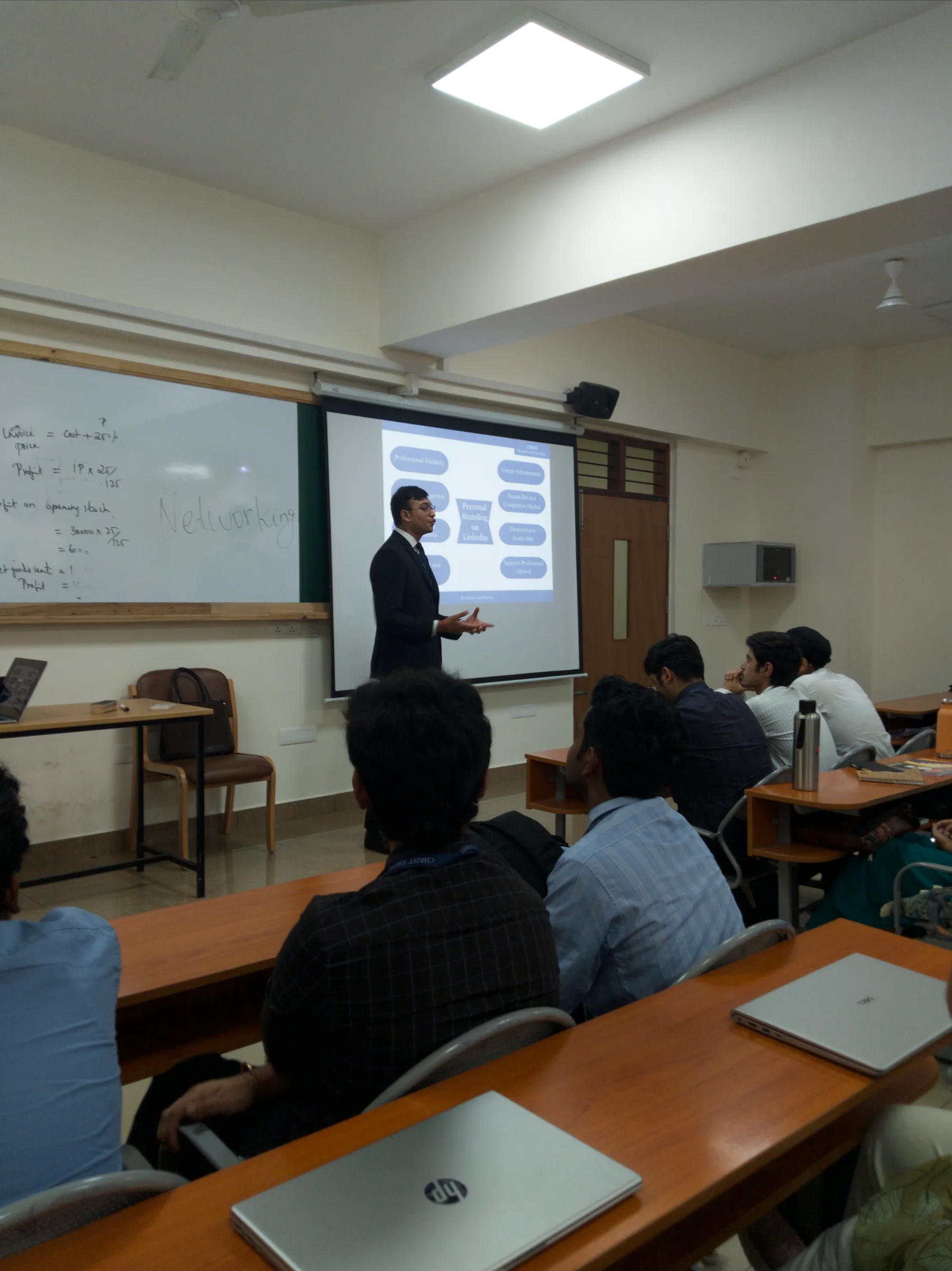
Modules Facilitated & Curriculum Authorship
To date, I have facilitated 3 comprehensive classroom sessions focused on core professional capabilities: Group Discussion (GD) Dynamics and LinkedIn Profile Optimization. The sessions dissect how recruiters evaluate candidates, how to formulate persuasive arguments under time pressure, and how to structure a digital presence that attracts professional opportunities.
Drawing on my technical background, I also took the initiative to author a brand new training module: "AI Automation Using Claude". This curriculum introduces non-engineering undergraduates to agentic AI workflows, practical prompt design, and everyday productivity automation, preparing commerce students for an AI-native workplace.
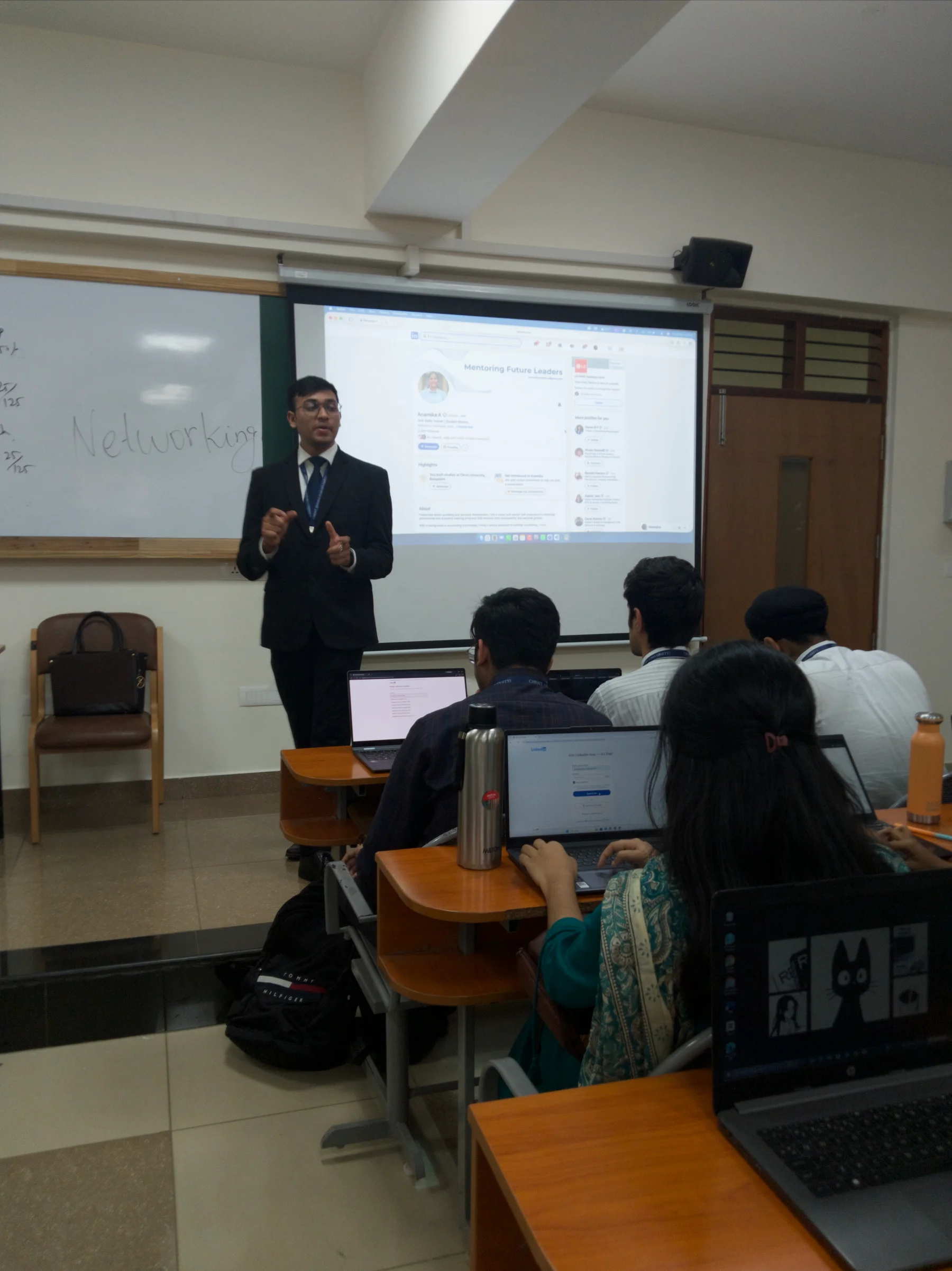
Core Responsibilities & Delivery
- —Facilitate interactive peer-learning sessions centered on students’ academic, personal, and professional development
- —Deliver high-energy classroom sessions that encourage active participation, peer critique, and collaborative problem-solving
- —Author cutting-edge curriculum modules including AI Automation Using Claude for collegiate audiences
- —Collaborate with Senior Peer Trainers and faculty coordinators to plan, refine, and execute campus-wide student development programs
- —Develop advanced facilitation, public speaking, and room management capabilities across diverse student cohorts
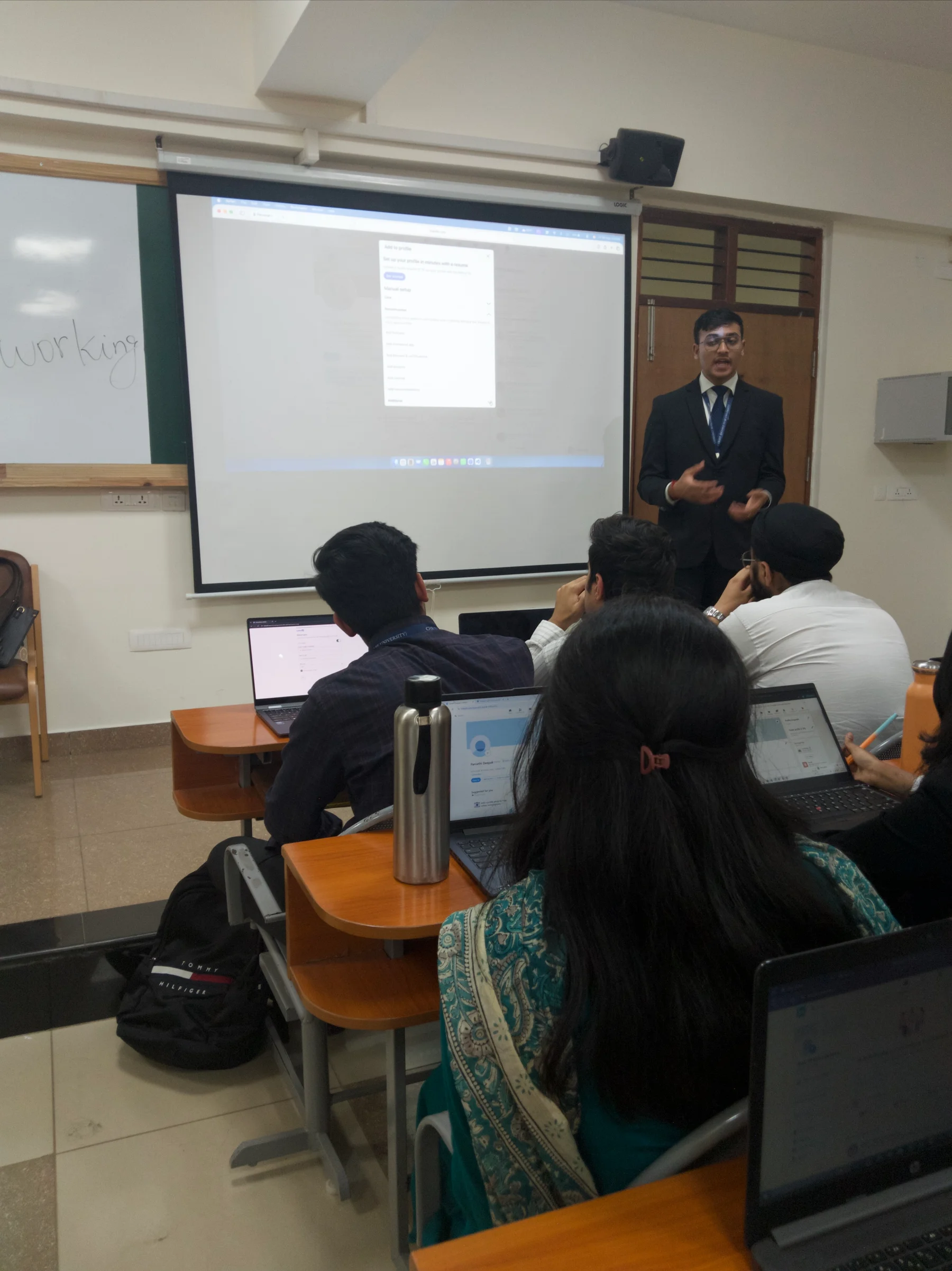
Key Learnings: Teaching University Peers
The most profound takeaway from CAPS has been the sharp contrast between teaching high schoolers and facilitating university peers. Undergraduates do not accept superficial advice; they interrogate concepts, share their own experiences, and expect concrete, battle-tested answers. Facilitating in this environment has radically sharpened my public speaking, adaptability, and ability to think and articulate clearly under scrutiny.